Kerala is a destination of dramatic variety — from misty hill stations at 1,600 metres to steamy tropical beaches, from cool forest treks to lazy backwater cruises. Packing for it requires a bit of thought. Here's our definitive guide to what to bring, based on the season and destinations in your itinerary.
Documents & Essentials (Year-Round)
- Government ID — Aadhaar card, passport or voter ID (required for hotel check-ins)
- Hotel and transport booking confirmations (digital or printed)
- Emergency contacts and travel insurance details
- Power bank — essential for long travel days
- Universal adapter if travelling internationally
- Small amount of Indian cash — many rural areas and temple towns are cash-only
- UPI app (GPay/PhonePe) set up — accepted almost everywhere now
Clothing — October to March (Peak Season)
The best time to visit, but temperatures vary enormously depending on where you are:
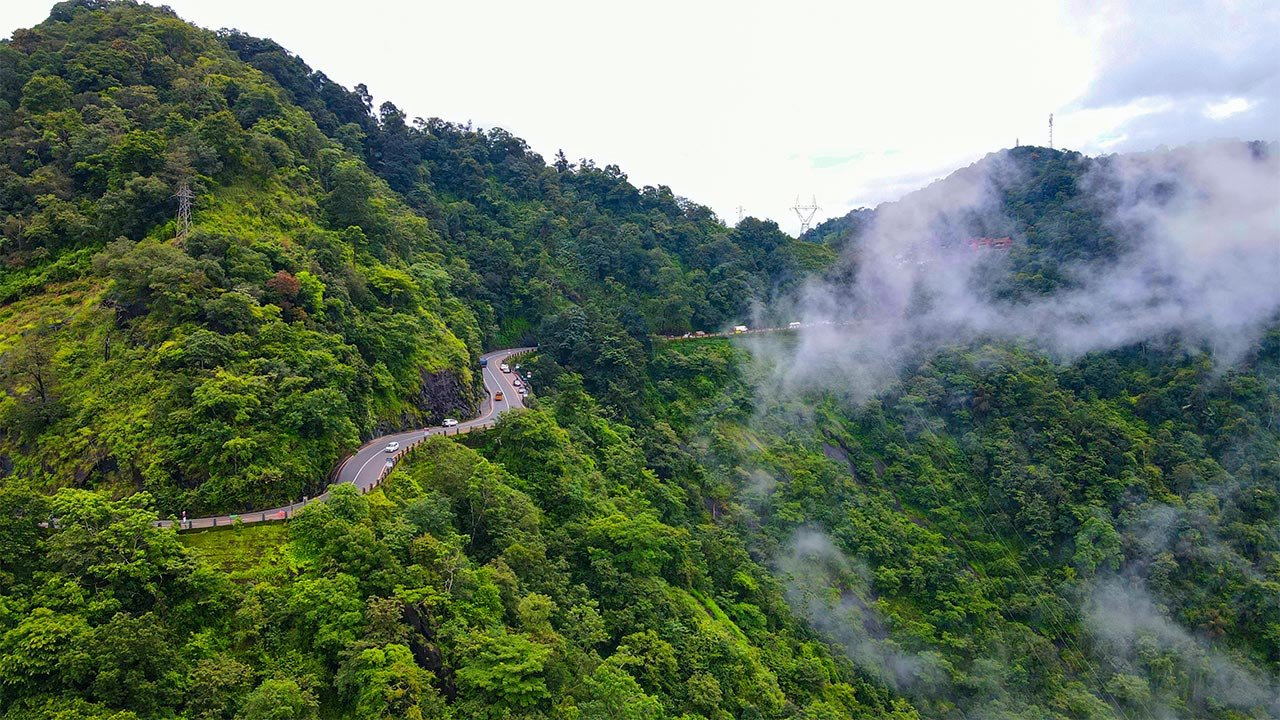
- Munnar / Wayanad / Hill stations: Temperatures drop to 10–18°C at night in winter. Bring a warm fleece or light jacket, a thermal inner layer for evenings and comfortable walking shoes for treks. Mornings are cold.
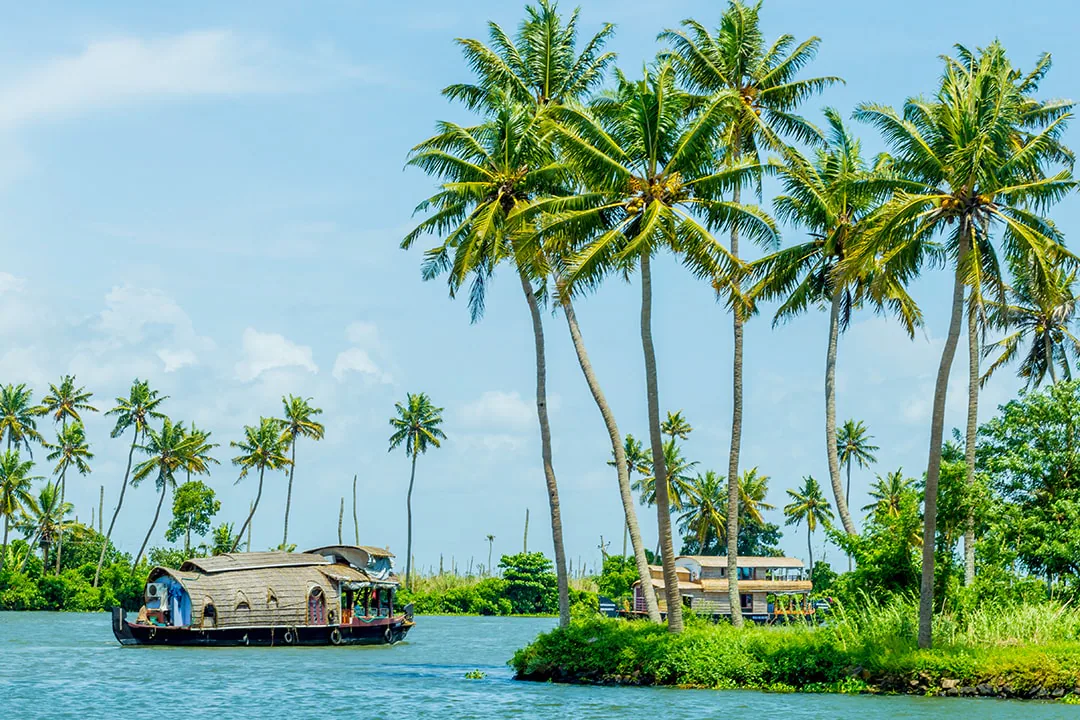
- Alleppey backwaters / Coast: Warm and humid, 24–30°C. Light cotton or linen clothing is ideal. A light layer for air-conditioned vehicle transfers.
- General: Full-length trousers or salwar for temple visits (shorts not allowed at many Kerala temples). Women should carry a dupatta/scarf for the same reason.
Clothing — April to May (Summer)
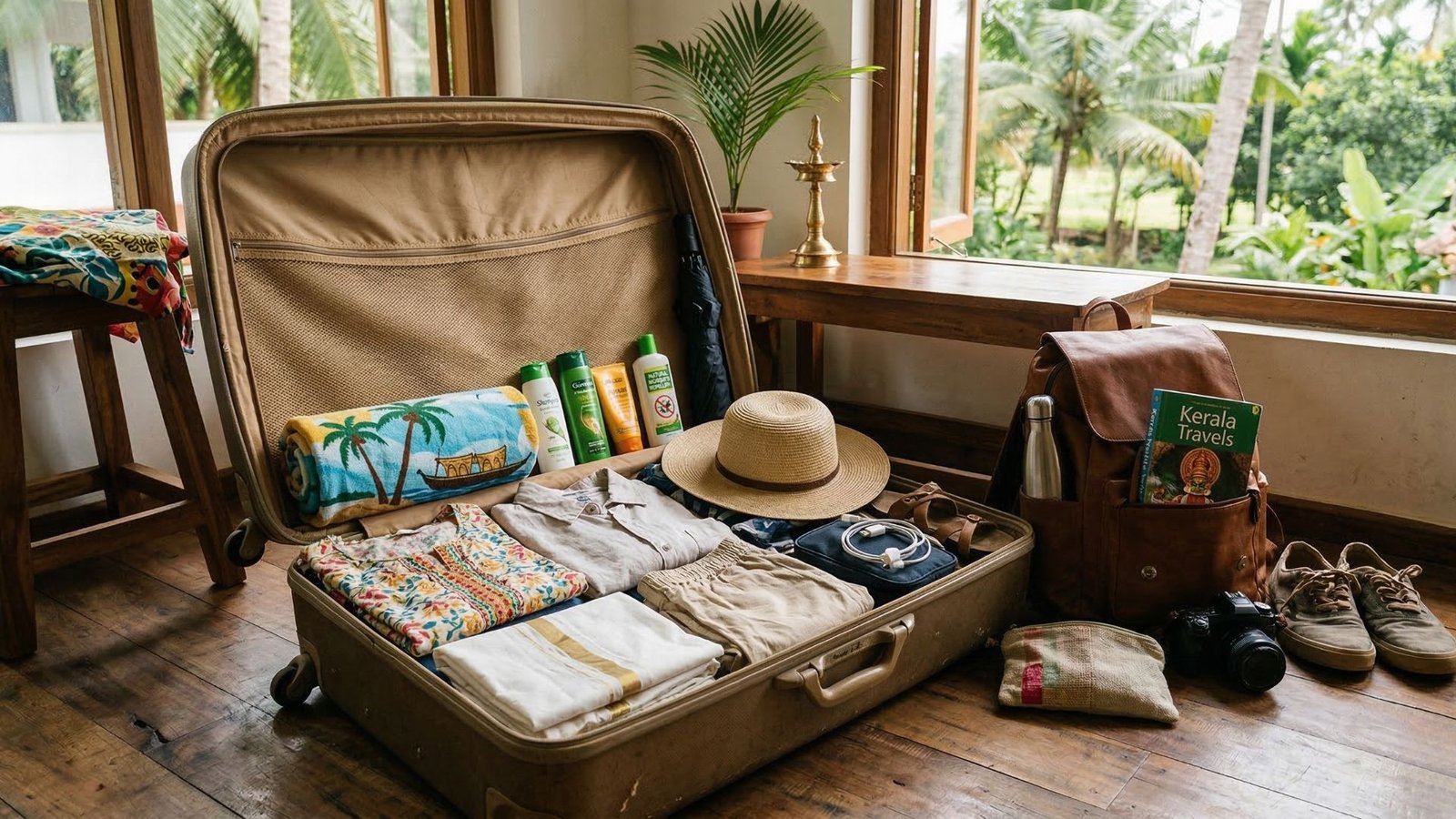
- Lightweight, breathable cotton clothing — synthetics will be uncomfortable in Kerala's humidity.
- Sunscreen SPF 50+ — the Kerala sun is fierce, especially on the backwaters where there's no shade.
- Wide-brimmed hat or cap.
- Sunglasses — polarised lenses are best for the bright backwater light.
- Comfortable sandals for beach destinations (Kovalam, Varkala).
Clothing — Monsoon (June to September)
- Quick-dry clothing — everything will get damp.
- A quality waterproof jacket or poncho (not an umbrella — wind makes them useless in Kerala monsoon).
- Waterproof sandals — open shoes are better than closed shoes which take days to dry.
- Ziplock bags for electronics and documents.
- Spare set of footwear — always keep one dry pair.
Health & Hygiene Essentials
- Mosquito repellent (DEET-based) — essential for backwaters and forested areas, especially at dusk.
- Oral rehydration salts — Kerala heat and humidity can cause dehydration quickly.
- Basic first aid: band-aids, antiseptic cream, paracetamol, antihistamine.
- Prescription medications with enough supply for your trip plus 3 extra days.
- Hand sanitiser — useful at street food stops and markets.
- Stomach medicine (loperamide) — useful if food doesn't agree with you.
Activity-Specific Items
- Trekking (Munnar / Wayanad): Sturdy hiking shoes or trail runners, trekking poles for steep ascents, lightweight rain jacket.
- Houseboat / Backwaters: Sunscreen, hat, light full-sleeve shirt for sun protection on the open deck.
- Beaches: Swimwear (modest one-piece or tankini for women — bikinis draw unwanted attention outside tourist-heavy Varkala and Kovalam).
- Wildlife safaris: Neutral or muted colours (khaki, olive, grey) — avoid bright colours that spook animals.
What to Leave Behind
- Heavy luggage — most Kerala roads involve transfers on winding mountain routes; smaller bags are much easier.
- Excessive formal wear — Kerala is relaxed and casual everywhere outside business meetings.
- Plastic bags — Kerala has had a plastic bag ban since 2020; bring reusable bags for shopping.
Our packing philosophy: Pack light and buy locally. Kerala has excellent cotton clothing at very reasonable prices — if you forget something, you can almost certainly pick it up in any town. We've seen travellers arrive with 25 kg suitcases for a 5-day Kerala trip; it never ends well on those mountain roads.